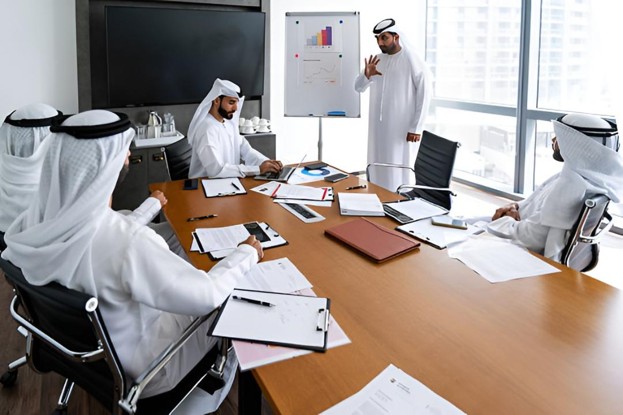
What Makes Sales Training Different in the Gulf Market

What Makes Sales Training Different in the Gulf Market?

Selling in the Gulf is not the same as selling in London, Sydney or New York. Trust, relationships, culture and timing shape every deal. At Dynamo Selling, we train sales teams across the UAE and wider GCC to win in this unique environment. This article explains what makes Gulf sales training different and what your team needs to succeed.

Key Takeaways

  • Relationships and trust come before the transaction in the Gulf.
  • Sales teams must sell to many cultures, often in one day.
  • Timing, hierarchy and patience matter more than pressure.
  • Customers expect personal, fast and human service.
  • Training must be practical and culturally relevant.

Why the Gulf Needs a Different Approach

Many sales programs are built for Western markets. They focus on speed, scripts and closing techniques. In the Gulf, those methods can fall flat or even damage relationships.

The region rewards sales professionals who listen, show respect and invest time in people. Generic training rarely prepares teams for this reality.

Language and etiquette also play a part. English is widely used in business, yet a few words of Arabic, an understanding of local customs and respect for personal space help conversations start on the right note. Small details like these often decide whether a second meeting happens.

1. Relationships Come Before Results

In the Gulf, people prefer to buy from people they know and trust. A first meeting is often about building rapport, not discussing price.

Research supports this. A YouGov survey commissioned by the Middle East Public Relations Association found that 84 percent of UAE respondents trust face to face recommendations from friends and family. The same study found that 63 percent trust what a third party says about a product more than what the brand says about itself.

For sales teams, this means:

  • Referrals and introductions carry enormous weight
  • Follow up and consistency build credibility over time
  • Hospitality and small courtesies are noticed
  • Pushing too hard too early can end a relationship

Trust also influences loyalty. According to Economy Middle East, a Salesforce study found that 89 percent of UAE respondents believe trust becomes more important in times of change.

2. You Sell to the World Every Day

Few markets are as diverse as the UAE. A salesperson in Dubai may meet clients from India, Egypt, the UK, China and the GCC in a single week.

The Dubai Media Office reported that Indian businesses led new member registrations at Dubai Chamber of Commerce in early 2025, with 4,543 companies. Companies from Pakistan, Egypt, Bangladesh and the United Kingdom followed them.

The workforce is just as varied. A Zayed University working paper notes that foreign nationals make up more than 75 percent of the UAE’s population and over 85 percent of Dubai’s workforce.

Effective Gulf sales training helps teams:

  • Adapt communication styles to different cultures
  • Read buying signals that vary between nationalities
  • Avoid assumptions about decision making
  • Build rapport without relying on one cultural playbook

Understanding buyer motivation is central to this.

3. Patience and Hierarchy Shape the Sales Cycle

Decisions in Gulf organizations often involve senior leaders, family stakeholders or several layers of approval. A buyer may be enthusiastic but still need time to consult others.

Sales training in this market should cover:

  • Mapping decision makers and influencers early
  • Showing respect for seniority in meetings and communication
  • Managing longer cycles without losing momentum
  • Following up politely rather than applying pressure
  • Preparing proposals that suit formal approval processes

For B2B teams, these skills are essential. B2B sales training helps sales professionals understand regional business etiquette, navigate complex decision-making processes and build lasting client relationships across Gulf markets.

4. Timing and the Calendar Matter

The Gulf business calendar has its own rhythm. Ramadan, Eid holidays, summer travel and the weekend structure all influence when deals move.

Entrepreneur Middle East notes that during Ramadan, GCC businesses often face shorter working hours, lower energy levels and staff on annual leave. It also suggests the season can be used to retrain staff and strengthen processes.

Strong Gulf sales teams plan around these periods. They adjust prospecting, respect fasting hours and use quieter weeks for training, account planning and relationship building.

5. Customers Expect Human, Fast and Personal Service

Gulf customers are digitally savvy, yet they still value a personal touch. A Zbooni and YouGov survey found that 87 percent of UAE residents want to speak to a real person rather than a chatbot. It also found that 85 percent want businesses to offer WhatsApp for support.

This changes how salespeople communicate. Training should cover:

  • Professional messaging on WhatsApp and similar channels
  • Quick, accurate responses without sounding rushed
  • Personalized follow up based on each customer’s needs
  • Moving smoothly between digital and face to face meetings

The Salesforce research cited by Economy Middle East also found that 94 percent of UAE respondents are more likely to buy again after a positive service experience.

6. A Young, Growing and Changing Workforce

The UAE workforce is expanding quickly. Gulf News reported that the workforce grew by 12.4 percent in 2025, and that workers aged 18 to 35 make up 54.9 percent of the total. More than 171,000 Emiratis now work in the private sector.

Sales roles are also in high demand. Sales is one of the most sought after functions in the UAE, and that sales roles drew more than 800,000 candidate searches across the GCC in 2025.

This creates new training needs. Many sales professionals are early in their careers or new to the region. Others are UAE nationals entering private sector sales roles for the first time.

Cultural preparation also helps newcomers settle faster. Research published in the Journal of Business Strategy by UAE University authors highlights that advance training eases cultural adjustment for expatriates working in the UAE.

What Effective Gulf Sales Training Looks Like

The best programs for this market share several features:

  • Cultural Relevance: Real examples from UAE and GCC deals
  • Practical Role Plays: Scenarios based on local buyers and objections
  • Relationship Focus: Skills for long term account growth
  • Coaching and Follow Through: Ongoing support after the workshop
  • Measurable Outcomes: Clear links to revenue, conversion and retention

Training should also reflect your industry. Real estate, automotive, retail, technology and B2B services each have their own buyer behaviors in the Gulf.

At Dynamo Selling, sales training programs in Dubai are designed around these realities, combining proven strategies with local insight so teams can apply new skills immediately.

Conclusion

Sales success in the Gulf depends on trust, cultural awareness, patience and responsive service. Training that ignores these factors rarely delivers lasting results. With the right skills, your team can build stronger relationships and close more deals across the region. Contact us today to discuss sales training built for the Gulf market.

FAQs:

Why is sales training different in the Middle East?

Gulf buyers value trust, relationships and respect, so training must focus on rapport, patience and cultural awareness.

How important are relationships in UAE business?

Very important. Many UAE buyers prefer working with people they know, and referrals strongly influence buying decisions.

How does Ramadan affect sales in the UAE?

Working hours shorten and decisions may slow, so teams adjust prospecting, timing and follow up during the month.

What skills do salespeople need in Dubai?

Key skills include cultural awareness, active listening, relationship building, negotiation and professional digital communication with diverse clients.

Is sales training worth it for UAE companies?

Yes. Relevant training improves conversion, retention and confidence, helping teams compete in a fast growing market.

How long does it take to see results from sales training?

Many teams notice improvements within weeks, especially when training is supported by ongoing coaching and clear goals.

How One-on-One Sales Coaching Helps Sales Leaders Grow

How One-on-One Sales Coaching Helps Sales Leaders Grow

Sales leaders spend their days developing others, yet few get focused support for their own growth. Personal coaching changes that. At Dynamo Selling, we coach sales leaders across Dubai and the UAE to lead with clarity, confidence and results. This article explains how personal coaching sharpens leadership skills, lifts team performance and helps managers grow into the leaders their teams need.

Key Takeaways

  • One-on-one coaching targets each leader’s real challenges.
  • Coaching builds skills that classroom training often misses.
  • Leaders who are coached become better coaches themselves.
  • Personal support helps leaders manage pressure and avoid burnout.
  • Results show in retention, performance and revenue.

Why Sales Leaders Need Their Own Coach

Many sales managers were promoted because they were excellent sellers. Leading a team, however, requires a very different set of skills. Managers must motivate people, run pipeline reviews, forecast accurately and handle difficult conversations.

Most receive little preparation for this shift. A study reported by People Matters Middle East found that only 22 percent of UAE residents felt they were receiving adequate training and upskilling from their employers. Around 60 percent highlighted soft skills, such as communication, listening and empathy, as essential for the future.

Personal coaching fills this gap. It gives leaders a private space to reflect, learn and practice with an expert who understands sales.

What Is One-on-One Sales Coaching?

This type of coaching is a personal development process between a coach and a sales leader. Unlike group training, every session focuses on the individual’s goals, team and market.

A typical coaching program includes:

  • An assessment of current leadership strengths and gaps
  • Clear goals linked to team and business results
  • Regular sessions to review progress and challenges
  • Practical tools the leader can apply immediately
  • Accountability to turn insights into action

Research from the UAE supports this approach. A study published in the International Journal of Management and Applied Research by University of Wollongong in Dubai researchers found that mentoring and coaching were considered the most effective mechanisms in leadership development programs.

1. Coaching Addresses Real Challenges

Group workshops cover broad topics. Coaching works on what the leader is facing this week, whether that is a struggling team member, a missed target or a difficult client.

Because the coaching is personal, leaders can discuss sensitive issues openly. This leads to faster progress and solutions that fit their exact situation.

For example, a coach may help a leader prepare for a tough performance conversation, rebuild a weak pipeline or plan how to approach a major account. Each session ends with clear actions, so progress can be measured at the next meeting.

Context matters too. A doctoral study from Abu Dhabi University on managerial coaching in a UAE organization noted that very little coaching research had been carried out in a UAE setting. That makes locally experienced coaches especially valuable.

2. Leaders Learn to Coach Their Own Teams

One of the biggest benefits of being coached is learning how to coach others. Leaders experience good coaching firsthand and then apply the same methods with their salespeople.

Coached leaders often improve at:

  • Asking powerful questions instead of giving answers
  • Giving specific, timely and constructive feedback
  • Running productive individual meetings with reps
  • Listening to sales calls and identifying improvement areas
  • Setting goals that motivate rather than pressure

Feedback is central to this. Constructive input drives growth, boosts engagement and strengthens teams when managers deliver it well.

Technology can support this process. AI is changing sales coaching and help leaders coach more effectively.

3. Coaching Builds Confidence Under Pressure

Sales leadership is demanding. Leaders carry targets for an entire team while managing people, clients and senior expectations.

The pressure is real. Arabian Business reported findings from Bupa Global’s Executive Wellbeing Index showing that 94 percent of UAE top executives experienced symptoms of poor mental health in the previous year, and at least 20 percent experienced burnout.

A coach provides an objective sounding board. Leaders learn to prioritize, delegate and make decisions with greater calm and clarity. This protects their wellbeing and keeps the team steady.

4. Coaching Improves Retention and Engagement

People rarely leave great leaders. When managers develop their teams, salespeople feel valued and stay longer.

Development matters to UAE professionals. A survey found that 83 percent of UAE respondents would leave their company if better training opportunities were offered elsewhere. It also found that 85 percent said career development was very important to them.

Coached leaders are better equipped to create growth paths, recognize progress and build a culture where people want to stay.

5. Coaching Accelerates Career Growth

Personal development has a direct link to promotion. Organizations in Dubai have seen this firsthand.

75 percent of UAE Nationals promoted in recent months had joined a past cohort of its mentorship program as a mentor or mentee.

Government entities also invest heavily in leadership growth. Dubai Customs reported that its Leadership Development Program delivered 150 training hours per participant, with 129 employees graduating from its first three cohorts.

How to Get the Most From Personal Coaching

Coaching works best when leaders come prepared and committed. Follow these steps:

  • Set clear goals that link to team and business outcomes.
  • Be open and honest about challenges and weaknesses.
  • Apply new skills quickly with your team between sessions.
  • Track progress using sales metrics and team feedback.
  • Stay consistent and commit to regular sessions over several months.

Organizations also play a role. The CIPD found that upskilling and building capability is a key focus for people professionals in the UAE and Saudi Arabia, and recommends identifying skills gaps and developing skills to meet them.

Signs a Sales Leader Would Benefit From Coaching

Consider coaching if you notice:

  • The team regularly misses targets
  • Top performers are leaving
  • The leader is overwhelmed or stretched thin
  • A new manager is struggling with the transition

Some of these issues point to wider team needs.

At Dynamo Selling, one-on-one sales coaching is tailored to each leader, combining proven sales methods with practical support for the UAE market.

Conclusion

Personal coaching gives sales leaders the focused support they rarely receive. It sharpens leadership skills, builds confidence, improves retention and helps managers develop stronger teams. The results show in performance and revenue. If you want your sales leaders to reach their full potential, contact us today to discuss a coaching program built around them.

FAQs:

What is one-on-one sales coaching?

It is personal coaching between an expert coach and a salesperson or leader, focused on their specific goals.

How does coaching help sales managers?

Coaching helps managers improve leadership, feedback, decision making and team motivation, leading to stronger sales results.

What is the difference between sales training and sales coaching?

Training teaches skills to groups, while coaching provides personal, ongoing support to apply those skills in real situations.

How often should sales leaders be coached?

Most leaders benefit from sessions every two to four weeks over several months for lasting improvement.

Is sales coaching worth the investment?

Yes. Effective coaching improves performance, retention and leadership confidence, which often delivers a strong return on investment.

Can experienced sales leaders benefit from coaching?

Yes. Even experienced leaders gain fresh perspective, sharper skills and support during growth or periods of change.