
5 Powerful Ways Emotional Intelligence Boosts Your Sales Success
Sales conversations are shaped by trust, timing, and human awareness. Buyers respond not only to what is said but also to how it is delivered and understood. Dynamo Selling emphasizes emotional intelligence as a practical advantage in modern sales environments. When sales professionals recognize emotions, manage reactions, and respond with clarity, they improve influence, reduce resistance, and create stronger outcomes across every stage of the sales process.
Key Takeaways
- Emotional intelligence accelerates trust
- Objections are easier to manage with empathy
- Strong relationships drive long-term revenue
- Communication improves with emotional awareness
- Resilience supports consistent sales performance
Why Emotional Intelligence Matters in Sales?
Modern buyers are informed and selective. They expect clarity, respect, and confidence during every interaction. Emotional intelligence allows sales professionals to read situations accurately, adjust their approach in real time, and maintain control without pressure. It also supports better judgment during complex conversations, helping sellers respond thoughtfully rather than react emotionally when discussions become challenging or unpredictable.
Emotional intelligence in sales helps professionals:
- Recognize underlying buyer concerns early
- Communicate with intention instead of urgency
- Maintain composure during objections or hesitation
- Build credibility through consistent, respectful engagement
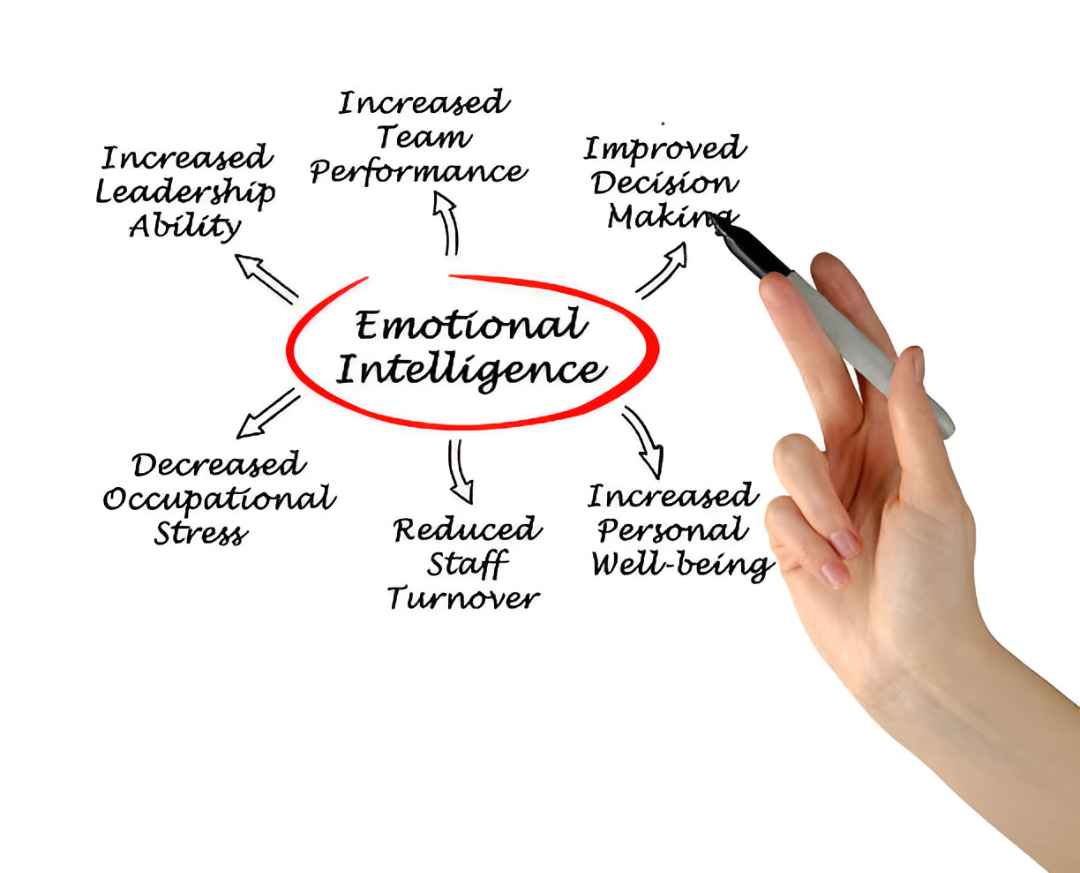
Emotional intelligence goes beyond charm or charisma. It’s a measurable skill that, when honed, can transform your approach to sales and elevate your career. Here’s a deep dive into five powerful ways emotional intelligence boosts sales success.
1. Builds Stronger Customer Relationships
The foundation of any sale is trust. Emotional intelligence helps you read cues, understand client needs, and respond empathetically. This fosters deeper connections and makes customers more likely to buy from you, and come back again.
Key points:
- Active Listening — Really hearing your customer’s pain points instead of thinking about your next pitch.
- Empathy — Understanding and validating customer concerns builds rapport and trust.
- Reading Non-Verbal Cues — Noticing body language, tone of voice, and subtle reactions can help adjust your approach in real-time.
- Tailored Communication — Adapting your messaging to align with the customer’s personality and preferences.
When customers feel understood, they are more engaged and open to solutions, which naturally increases conversion rates.
2. Improves Negotiation Skills
Sales negotiation skill is as much about managing emotions as it is about numbers. Salespeople with high emotional intelligence navigate these situations with finesse, avoiding unnecessary conflict and finding mutually beneficial outcomes.
Tips for leveraging EI in negotiations:
- Stay Calm Under Pressure — Regulating your emotions prevents reactive decisions.
- Recognize Emotional Triggers — Both yours and your client’s, to avoid escalating tensions.
- Use Empathy Strategically — Understanding the customer’s perspective allows you to frame proposals that meet their underlying needs.
- Communicate with Clarity and Confidence — Emotional intelligence ensures your tone and body language reinforce your words.
A salesperson who negotiates with emotional awareness is more likely to secure deals while maintaining positive long-term relationships.
3. Enhances Problem-Solving and Creativity
Sales isn’t always straightforward. Prospects may have objections, budgets may be tight, or market conditions may shift unexpectedly. Emotional intelligence equips you to respond effectively and creatively to challenges.
How EI boosts problem-solving:
- Self-Awareness — Understanding your own reactions prevents stress from clouding judgment.
- Emotional Regulation — Staying composed allows for clear thinking under pressure.
- Empathy-Driven Solutions — Anticipating and addressing client concerns leads to innovative proposals that satisfy both parties.
- Collaboration — Emotionally intelligent salespeople work well with internal teams to craft solutions that win clients.
By approaching problems with emotional insight, sales professionals can turn potential deal-breakers into opportunities.
4. Increases Resilience and Adaptability
Sales is full of rejection, setbacks, and uncertainty. Emotional intelligence helps salespeople manage stress, maintain motivation, and adapt to changing circumstances, all critical for sustained success.
Benefits include:
- Bounce Back Quickly From Rejection — Viewing “no” as feedback rather than failure.
- Maintain Positivity — A positive outlook encourages persistence and keeps energy levels high.
- Adapt to Customer Behavior — Recognizing shifts in client sentiment allows you to adjust your approach.
- Manage Long-Term Goals Effectively — EI helps prioritize efforts on prospects most likely to convert while staying patient with slower leads.
Resilient salespeople don’t just survive challenges, they thrive in them, consistently achieving and exceeding targets.
5. Strengthens Team Collaboration and Leadership
Sales isn’t a solo sport. High-performing teams rely on effective collaboration, and emotional intelligence is key to building a supportive, motivated, and cohesive environment.
Ways EI enhances team performance:
- Conflict Resolution — Conflict resolution in sales teams improves when team dynamics and emotional factors are understood, enabling disputes to be mediated constructively.
- Encouraging Others — Empathetic leaders and peers foster motivation and commitment.
- Effective Communication — Emotionally aware team members convey messages in ways that are clear, respectful, and inspiring.
- Mentorship and Coaching — EI enables experienced salespeople to nurture and guide less experienced colleagues.
Teams led by emotionally intelligent individuals tend to achieve higher morale, greater productivity, and ultimately, better sales results.
Bonus Tip: Continuous Emotional Intelligence Development
Like any skill, emotional intelligence can be developed and refined. Sales professionals can boost their EQ through:
- Self-Reflection — Regularly assess your interactions and emotional responses.
- Active Learning — Attend sales workshops, read books, or take online courses focused on EI.
- Seek Feedback — Ask peers, mentors, or clients about how your communication and empathy come across.
- Practice Mindfulness — Techniques like meditation or journaling improve emotional regulation and awareness.
Investing time in improving emotional intelligence pays dividends in sales performance, relationship-building, and career growth.
Emotional Intelligence Is a Learnable Skill
Emotional intelligence is not a fixed trait. It can be developed through structured sales training, reflection, and real-world application.
At Dynamo Selling, emotional intelligence is integrated into sales development programs to help professionals:
- Improve self-awareness
- Strengthen buyer connection
- Increase closing reliability
Applying Emotional Intelligence in Daily Sales Work
Practical application is what turns awareness into results.
Effective habits include:
- Preparing mentally before each sales conversation
- Observing emotional cues during discussions
- Reviewing interactions to improve future performance
Conclusion
Sales excellence requires more than technique. It requires emotional awareness, adaptability, and confidence under pressure. If you want to improve sales performance through emotional intelligence, contact us to explore training solutions designed to deliver measurable results.
FAQs:
What is emotional intelligence in sales?
Emotional intelligence in sales is the ability to understand, manage, and respond effectively to emotions during buyer interactions.
Can emotional intelligence improve closing rates?
Yes. Emotionally intelligent sellers adapt to buyer needs, increasing trust and decision confidence.
Is emotional intelligence more important than product knowledge?
Both are important, but emotional intelligence often determines how product knowledge is received and trusted.
Can emotional intelligence be developed?
Yes. Emotional intelligence can be strengthened through training and consistent practice.
How does emotional intelligence help with objections?
It allows sellers to uncover underlying concerns and respond calmly without creating resistance.
Does emotional intelligence impact long-term sales success?
Yes. Emotional intelligence supports relationship building, resilience, and sustained sales performance.